
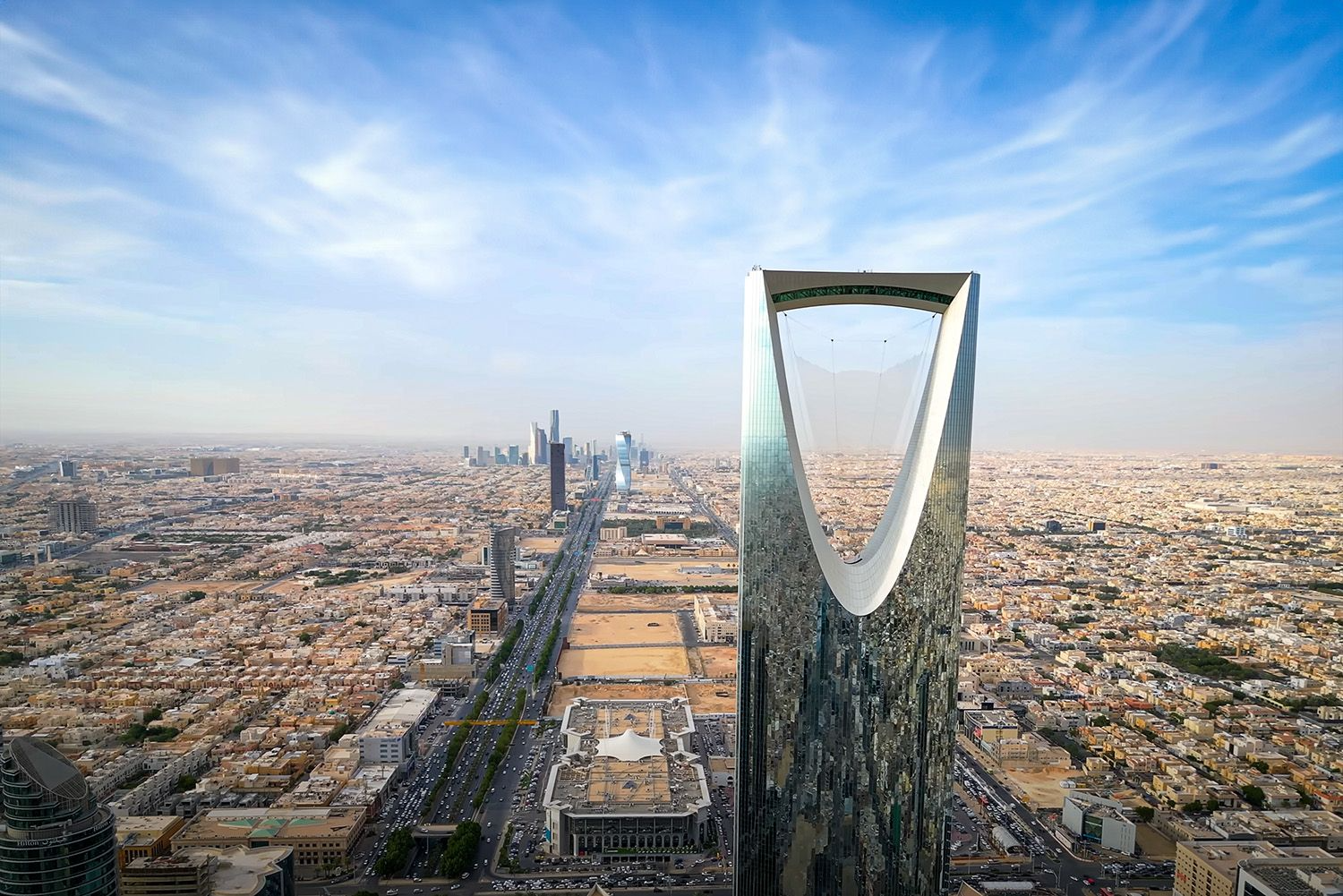
A New Era for Global Property Investors
Saudi Arabia is entering a historic phase in its real estate journey. Beginning in 2026, the Kingdom will officially allow foreign individuals and international companies to purchase property in designated areas. This landmark reform removes long-standing ownership restrictions and opens one of the Middle East’s most dynamic markets to global participation.
For investors, developers, and high-net-worth individuals, this change represents far more than a policy update. It signals Saudi Arabia’s transition into a globally connected investment destination—supported by large-scale urban development, economic diversification, and long-term government backing under Vision 2030.
At Steluxury Estates, we closely monitor international markets and emerging investment corridors. This guide explains what the 2026 reforms mean, where the strongest opportunities lie, and how investors can position themselves early in Saudi Arabia’s evolving property landscape.
What Is Changing in 2026?
Historically, foreign ownership of real estate in Saudi Arabia was limited and heavily regulated. Non-Saudi buyers required special approvals, were often restricted to specific property types, or could only purchase under exceptional circumstances.
From January 2026, a new legal framework—issued under a Royal Decree—will fundamentally change this structure. The updated law allows:
-
Foreign individuals to buy residential and commercial property
-
International companies and investment funds to hold real estate assets
-
Participation in mixed-use, industrial, agricultural, and large-scale development projects
-
Full ownership rights or long-term registered titles in approved zones
Certain areas, particularly Makkah and Madinah, will continue to follow special regulations due to their religious significance. Outside these exceptions, the market is set to become significantly more accessible, transparent, and investor-friendly.
Why Saudi Arabia Is Opening Its Property Market
The decision is deeply connected to Vision 2030, Saudi Arabia’s long-term strategy to reduce reliance on oil and expand non-energy sectors.
Attracting International Capital
By allowing foreign ownership, Saudi Arabia aims to bring global capital into residential, commercial, tourism, and infrastructure developments. International investment supports city expansion, job creation, and long-term economic resilience.
Raising Urban and Development Standards
Opening the market encourages international expertise in architecture, sustainability, smart cities, and mixed-use development. The goal is to build cities that meet global lifestyle and business expectations.
Supporting Private Sector Growth
A more active real estate market fuels demand across construction, finance, hospitality, retail, and professional services—creating employment and strengthening the private sector.
Property Types Open to Foreign Investors
The 2026 reforms create access to a broad range of real estate assets, allowing investors to adopt multiple strategies.
Residential Property
Foreign buyers will be able to purchase apartments, villas, and gated community homes in approved locations. Demand is supported by population growth, urban migration, and a rising professional workforce. Residential properties offer both rental income and capital appreciation potential.
Commercial Real Estate
Office buildings, retail units, and mixed-use developments will be available for international ownership. Cities like Riyadh are actively attracting multinational headquarters, driving long-term demand for premium commercial space.
Industrial and Logistics Assets
Warehouses, logistics hubs, and industrial facilities—especially in the Eastern Province—are benefiting from trade growth, port access, and supply chain expansion. These assets typically offer stable, long-term lease structures.
Key Investment Locations to Watch
Riyadh – The Economic Engine
As the capital, Riyadh is the focal point of government investment, corporate relocation, and infrastructure development. Office demand remains strong, and residential supply is under pressure from population growth and new business activity.
Jeddah – Coastal Lifestyle & Tourism
Jeddah offers waterfront living, tourism-driven demand, and ongoing urban regeneration. Its appeal lies in residential apartments, hospitality-linked properties, and mixed-use coastal developments.
Eastern Province – Industrial Stability
Dammam and Al Khobar benefit from industrial activity, energy-sector employment, and logistics infrastructure. These cities attract investors seeking consistent rental demand and lower volatility.
Giga-Projects – Long-Term Growth
Developments like NEOM and Red Sea projects suit investors with a longer time horizon, offering early-entry potential into globally significant urban concepts.
Investment Returns & Market Outlook
Saudi Arabia offers a competitive investment profile:
-
Strong rental demand in major cities
-
No annual property tax
-
No personal income tax on rental earnings (for individuals)
-
A one-time 5% Real Estate Transaction Tax (RETT)
-
Long-term government commitment to infrastructure and urban growth
As foreign participation increases after 2026, competition for high-quality assets is expected to rise—particularly in prime locations.
Preparing to Invest: A Practical Approach
Investors considering Saudi Arabia should prepare in advance:
-
Monitor legal announcements and eligible ownership zones
-
Plan financing early, including transfer and transaction costs
-
Work with experienced local advisors
-
Evaluate off-plan and early-stage developments
-
Prepare documentation for smooth registration and compliance
Early preparation allows investors to move decisively as opportunities emerge.
Special Regulations for Makkah & Madinah
Ownership rules for Makkah and Madinah will remain restricted:
-
Non-Muslim individuals cannot purchase property
-
Muslim foreign buyers may be granted limited rights in designated zones
-
Corporate and hospitality developments may operate under special approvals
-
Long-term lease models may be used instead of freehold ownership
Investors seeking exposure often focus on nearby cities such as Jeddah, where ownership is permitted and demand is influenced by pilgrimage activity.
Why Choose Steluxury Estates
At Steluxury Estates, we specialize in identifying premium opportunities in emerging and established global markets. As Saudi Arabia opens its doors to international investors, we provide:
-
Market intelligence and investment insights
-
Access to verified developments and luxury assets
-
Strategic guidance tailored to investor goals
-
End-to-end support for overseas buyers
Our approach is built on clarity, discretion, and long-term value creation.


Join The Discussion